
Subtotal: $55.00
NAD+
Price range: $65.00 through $300.00
NAD+ is a vital coenzyme studied extensively in cellular energy metabolism and biological signaling research. Developed as a high-purity, research-grade formulation for controlled laboratory and educational use.
NAD+ (Nicotinamide Adenine Dinucleotide) is a naturally occurring coenzyme found in all living cells and plays a critical role in cellular energy production and metabolic processes. In research environments, NAD+ is widely studied for its involvement in redox reactions, mitochondrial function, and cellular signaling pathways.
At Sana, NAD+ is developed under strict quality standards to ensure purity, stability, and batch-to-batch consistency, making it suitable for advanced laboratory research and biochemical studies.
Biochemical Characteristics
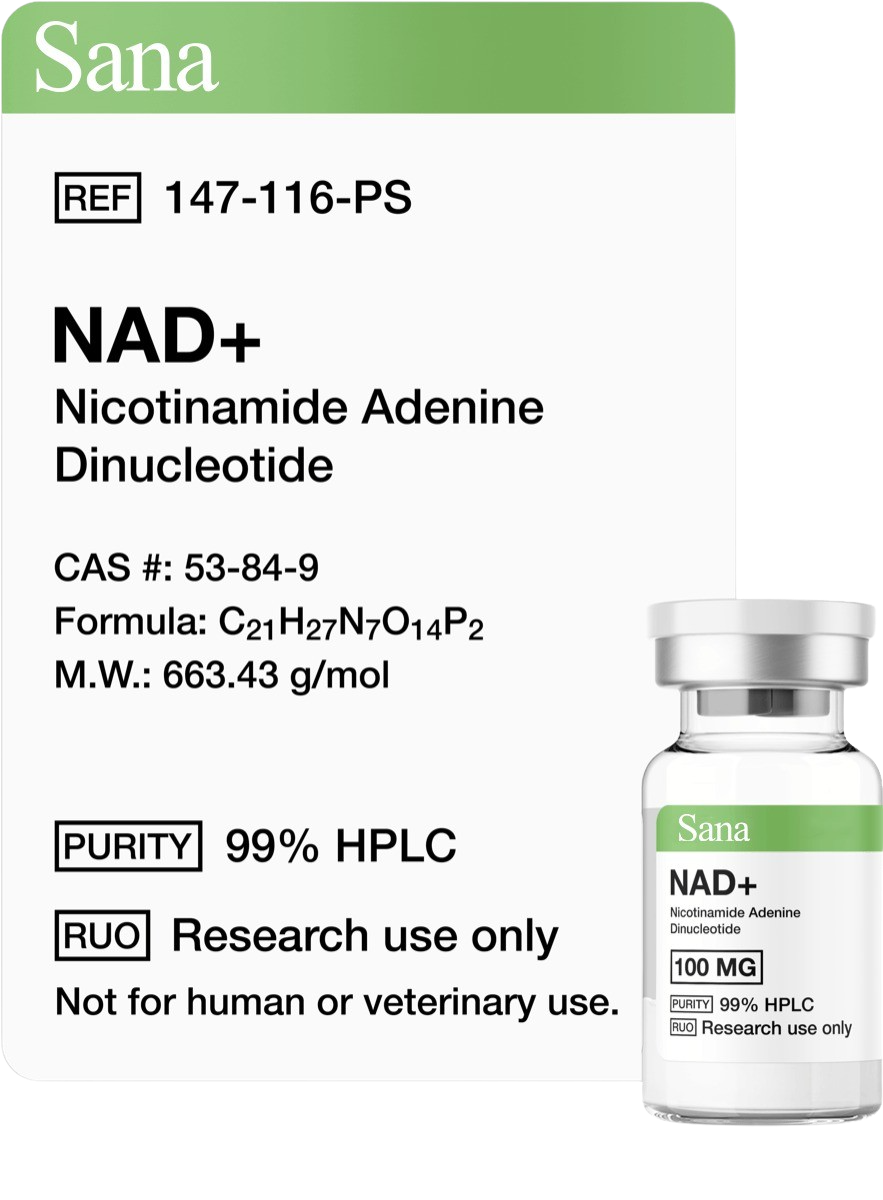
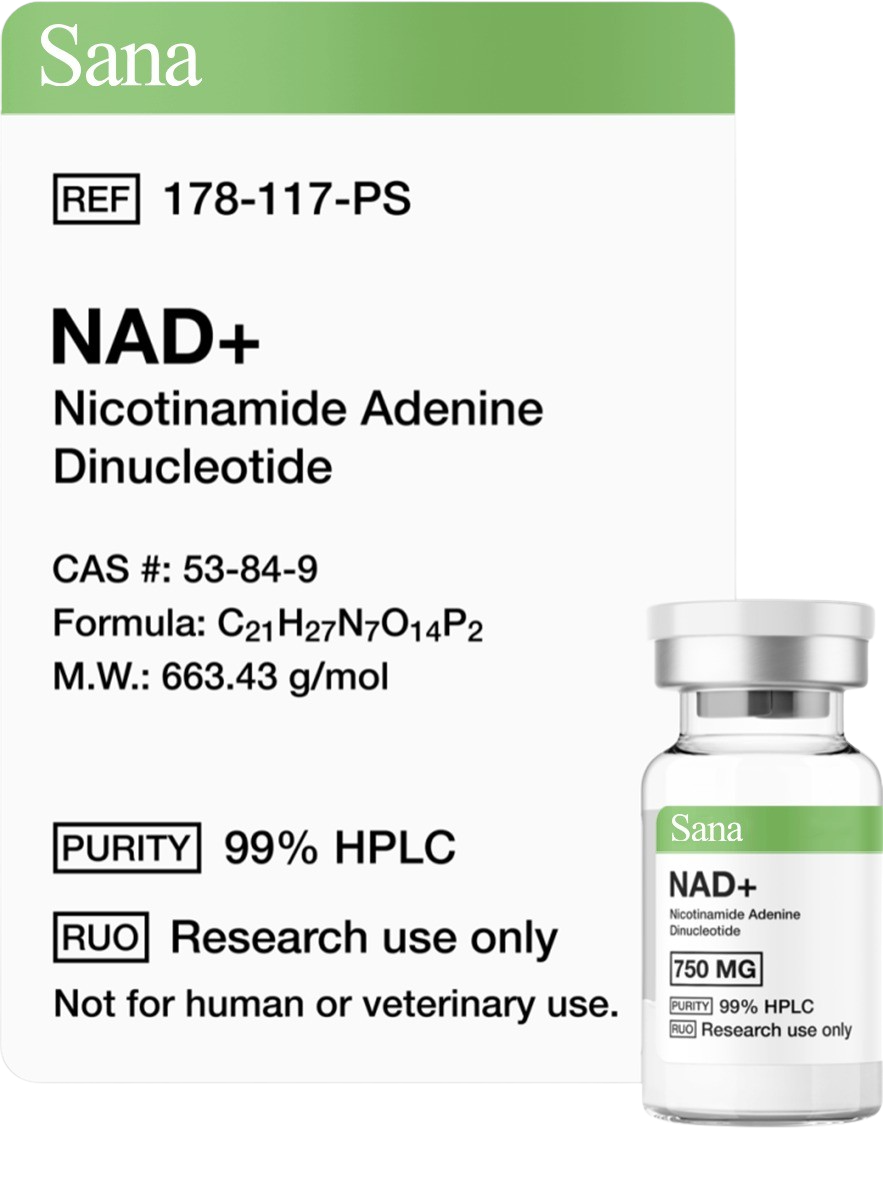
Molecular Formula: C21H27N7O14P2
Molecular Weight: 663.43 g/mol
PubChem CID: 925
CAS Number: 53-84-9
NAD⁺ functions as a redox-active cofactor capable of accepting and donating electrons in enzymatic reactions. In experimental systems, NAD⁺ availability is commonly treated as a measurable variable associated with metabolic flux, enzyme activity assays, and intracellular signaling readouts. NAD⁺ is also evaluated as a substrate for enzymes involved in post-translational modification processes, including ADP-ribosylation.
Research Applications
In laboratory research, NAD⁺ is used as a reference compound or experimental variable in:
- Redox biochemistry and mitochondrial metabolism assays
- Enzyme activity measurements involving sirtuins, PARPs, and dehydrogenases
- Transcriptomic and metabolomic profiling studies reporting NAD⁺-associated expression patterns
- Cellular stress and aging-associated model systems
- Extracellular signaling experiments measuring nucleotide release and receptor-linked responses
All applications are limited to controlled in vitro or animal-model research environments.
Pathway / Mechanistic Context
Across the referenced literature, NAD⁺ is discussed in relation to multiple pathway-annotated datasets. These discussions are framed as reported measurements, observed associations, or differential expression trends rather than direct functional outcomes. Frequently referenced pathway contexts include:
- Redox metabolism and mitochondrial electron transport chain–associated readouts
- Sirtuin-annotated gene and protein activity measurements
- PARP-linked DNA damage response datasets
- PGC-1α–associated transcriptional profiles
- Inflammation-related signaling components evaluated through cytokine or gene-expression endpoints
Preclinical Research Summary
Mitochondrial and Metabolic Models
Animal and cell-based studies describe associations between NAD⁺ availability and measured mitochondrial parameters, including oxidative phosphorylation markers and redox state indicators. These findings are reported as dataset-level observations derived from preclinical models.
Gene Expression and Aging-Associated Datasets
Transcriptomic analyses in aging-related models report differential expression patterns among nuclear and mitochondrial gene sets in experimental conditions involving altered NAD⁺ levels. Interpretation is limited to reported expression profiles rather than direct claims of functional restoration.
Neurodegeneration-Oriented Models
In mouse models of neurodegenerative disease, published studies report associations between NAD⁺ exposure and measured neuronal survival markers, oxidative stress indicators, and mitochondrial readouts. These observations are presented as preclinical correlations within disease-model systems.
Inflammation-Related Measurements
Several studies reference NAD⁺-linked datasets involving NAMPT, cytokine measurements, and inflammatory signaling components. Reported outcomes are based on gene-expression profiles, enzyme activity measurements, or pathway-level annotations.
Collectively, the literature positions NAD⁺ as a biochemical variable used to explore metabolism-, aging-, and stress-related mechanisms in non-clinical research systems.
Form & Analytical Testing
This product is supplied as a research-grade compound intended for laboratory use. Analytical characterization may include chromatographic purity assessment and mass-based identity confirmation. Lot-specific specifications should be verified using the accompanying certificate of analysis when provided.
Referenced Citations
“NAD+ Science 101 – What Is NAD+ & Why It’s Important,” Elysium Health. [Online]. Available: https://www.elysiumhealth.com/en-us/knowledge/science-101/everything-you-need-to-know-about-nicotinamide-adenine-dinucleotide-nad. [Accessed: 25-Jul-2019].
“Nicotinamide Riboside: Benefits, Side Effects and Dosage,” Healthline. [Online]. Available: https://www.healthline.com/nutrition/nicotinamide-riboside. [Accessed: 25-Jul-2019].
T. Matthews, L. Yang, S. Browne, M. Baik, and M. F. Beal, “Coenzyme Q10 administration increases brain mitochondrial concentrations and exerts neuroprotective effects,” Proc. Natl. Acad. Sci. U. S. A., vol. 95, no. 15, pp. 8892–8897, Jul. 1998. [PMC]
“What You Need to Know About Resveratrol Supplements,” WebMD. [Online]. Available: https://www.webmd.com/heart-disease/resveratrol-supplements. [Accessed: 25-Jul-2019].
Sun, R. J. Youle, and T. Finkel, “The Mitochondrial Basis of Aging,” Mol. Cell, vol. 61, no. 5, pp. 654–666, Mar. 2016. [PMC]
Stipp, “Beyond Resveratrol: The Anti-Aging NAD Fad,” Scientific American Blog Network. [Online]. Available: https://blogs.scientificamerican.com/guest-blog/beyond-resveratrol-the-anti-aging-nad-fad/. [Accessed: 08-Jul-2019].
P. Gomes et al., “Declining NAD+ Induces a Pseudohypoxic State Disrupting Nuclear-Mitochondrial Communication during Aging,” Cell, vol. 155, no. 7, pp. 1624–1638, Dec. 2013. [PMC]
Imai and L. Guarente, “NAD+ and sirtuins in aging and disease,” Trends Cell Biol., vol. 24, no. 8, pp. 464–471, Aug. 2014. [PubMed]
R. Mendelsohn and J. W. Larrick, “Partial reversal of skeletal muscle aging by restoration of normal NAD+ levels,” Rejuvenation Res., vol. 17, no. 1, pp. 62–69, Feb. 2014. [PubMed]
Kang, E. Chung, G. Diffee, and L. L. Ji, “Exercise training attenuates aging-associated mitochondrial dysfunction in rat skeletal muscle: role of PGC-1α,” Exp. Gerontol., vol. 48, no. 11, pp. 1343–1350, Nov. 2013. [PubMed]
Ringholm et al., “Effect of lifelong resveratrol supplementation and exercise training on skeletal muscle oxidative capacity in aging mice; impact of PGC-1α,” Exp. Gerontol., vol. 48, no. 11, pp. 1311–1318, Nov. 2013. [PubMed]
Lloret and M. F. Beal, “PGC-1α, Sirtuins and PARPs in Huntington’s Disease and Other Neurodegenerative Conditions: NAD+ to Rule Them All,” Neurochem. Res., May 2019. [PubMed]
Shan et al., “Protective effects of β- nicotinamide adenine dinucleotide against motor deficits and dopaminergic neuronal damage in a mouse model of Parkinson’s disease,” Prog. Neuropsychopharmacol. Biol. Psychiatry, vol. 94, p. 109670, Jun. 2019. [PubMed]
C. Maddison and F. Giorgini, “The kynurenine pathway and neurodegenerative disease,” Semin. Cell Dev. Biol., vol. 40, pp. 134–141, Apr. 2015. [PubMed]
Garten, S. Schuster, M. Penke, T. Gorski, T. de Giorgis, and W. Kiess, “Physiological and pathophysiological roles of NAMPT and NAD metabolism,” Nat. Rev. Endocrinol., vol. 11, no. 9, pp. 535–546, Sep. 2015. [PubMed]
Yamaguchi and J. Yoshino, “Adipose Tissue NAD+ Biology in Obesity and Insulin Resistance: From Mechanism to Therapy,” BioEssays News Rev. Mol. Cell. Dev. Biol., vol. 39, no. 5, May 2017. [PMC]
E. Humiston, “Nicotinamide Adenine Dinucleotide,” p. 68. [FDA]
ALL ARTICLES AND PRODUCT INFORMATION PROVIDED ON THIS WEBSITE ARE FOR INFORMATIONAL AND EDUCATIONAL PURPOSES ONLY.
The products offered on this website are furnished for in-vitro studies only. In-vitro studies (Latin: in glass) are performed outside of the body. These products are not medicines or drugs and have not been approved by the FDA to prevent, treat or cure any medical condition, ailment or disease. Bodily introduction of any kind into humans or animals is strictly forbidden by law.
RUO Disclaimer
For Laboratory Research Only. Not for human use, medical use, diagnostic use, or veterinary use.
Storage Information
-
Store in a cool, dry location
-
Avoid exposure to heat, light, and moisture
-
Keep container tightly sealed
-
Handle according to laboratory safety guidelines
Related products
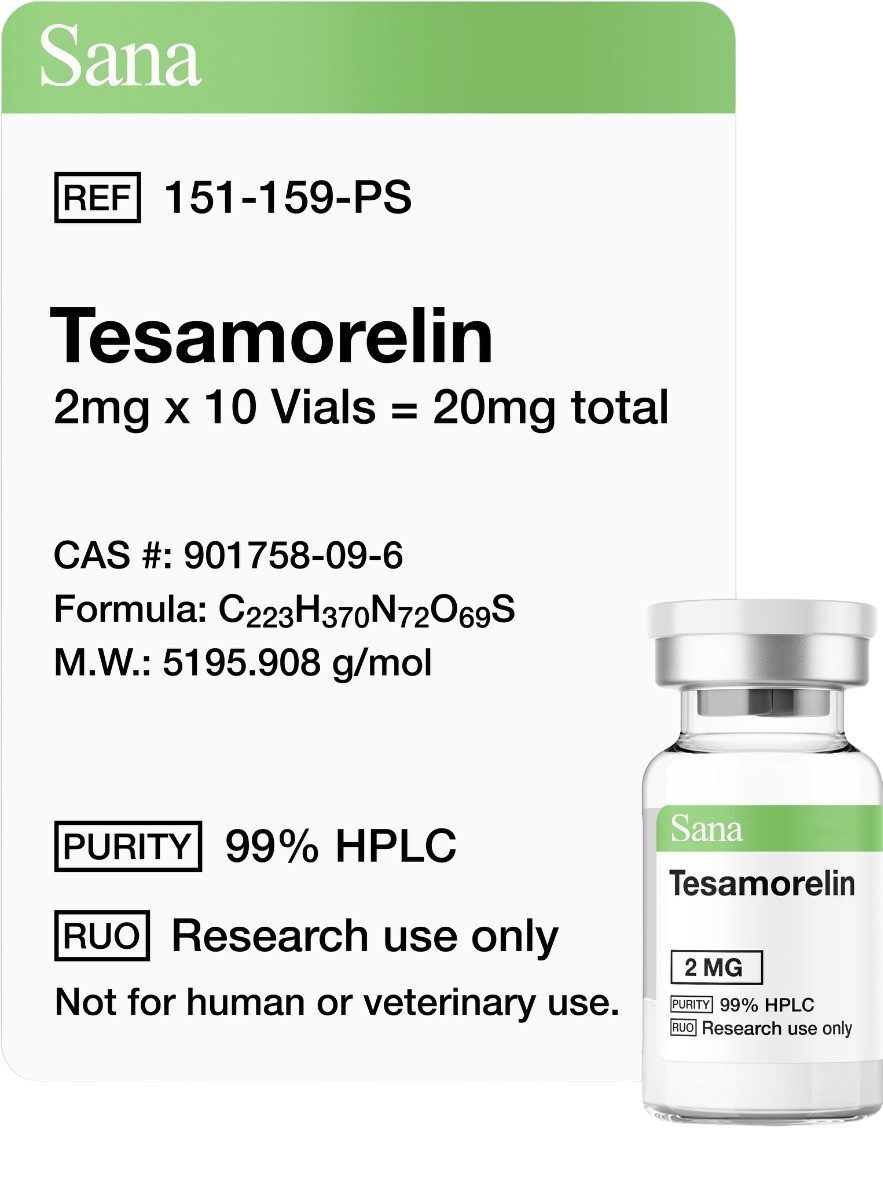
Tesamorelin 2mg (10 Vial Kit)
Price range: $75.00 through $300.00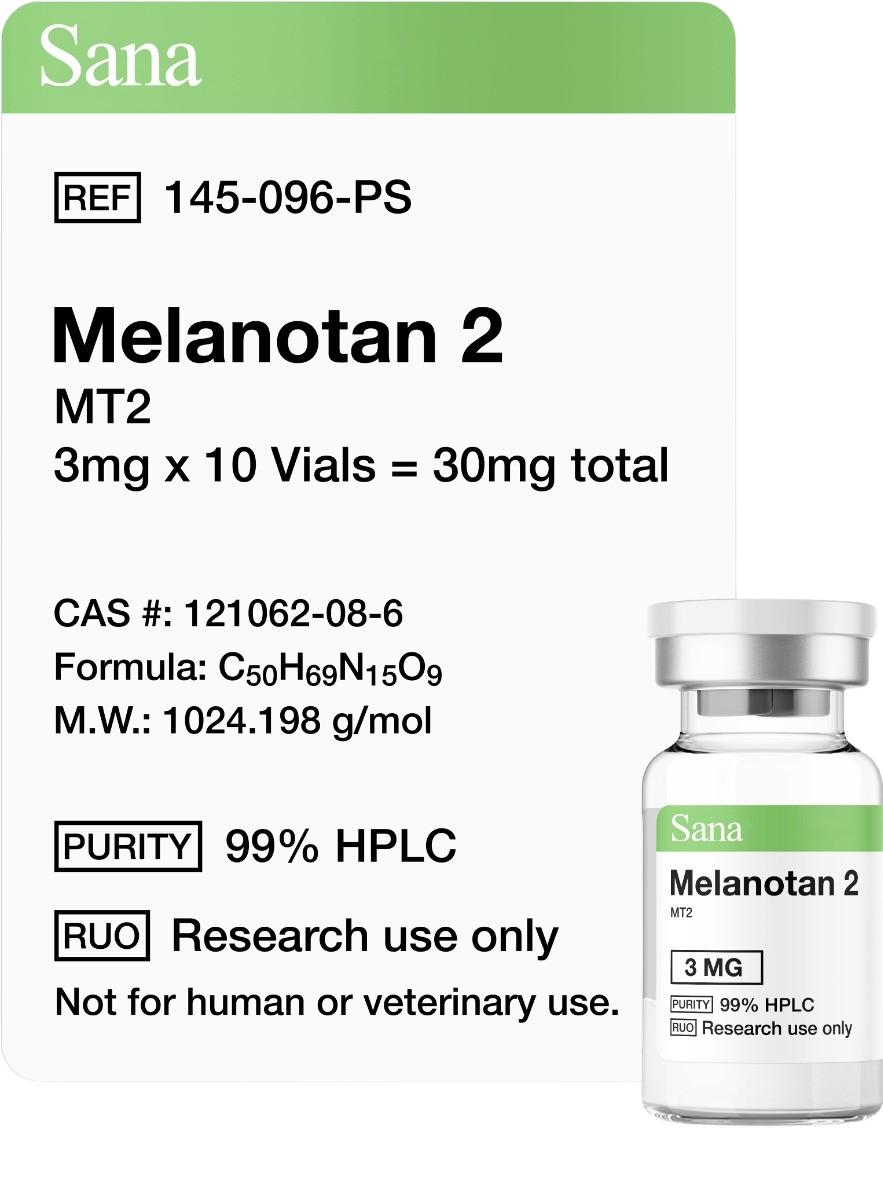
Melanotan 2 (MT2)
Price range: $50.00 through $140.00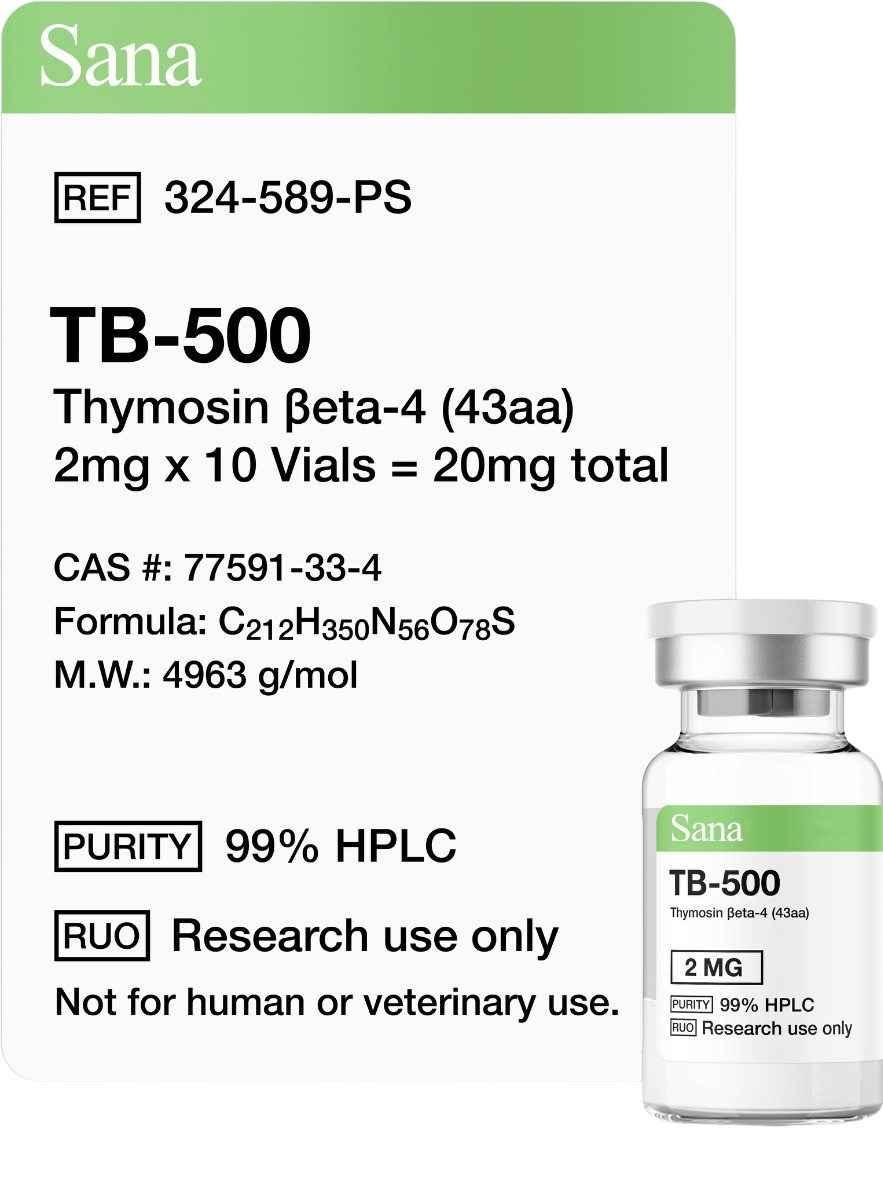
TB‑500 (Thymosin Beta‑4)
Price range: $85.00 through $375.00
NAD+
Price range: $65.00 through $300.00